Become a JustPark Host: What to Expect in Your First 30 Days
You've got the space, and you've heard it can earn — but what does becoming a host actually feel like, day to day? Here's an honest walkthrough of your first month, from listing to your first review point.

Before You Begin: Can I Rent Out My Driveway?
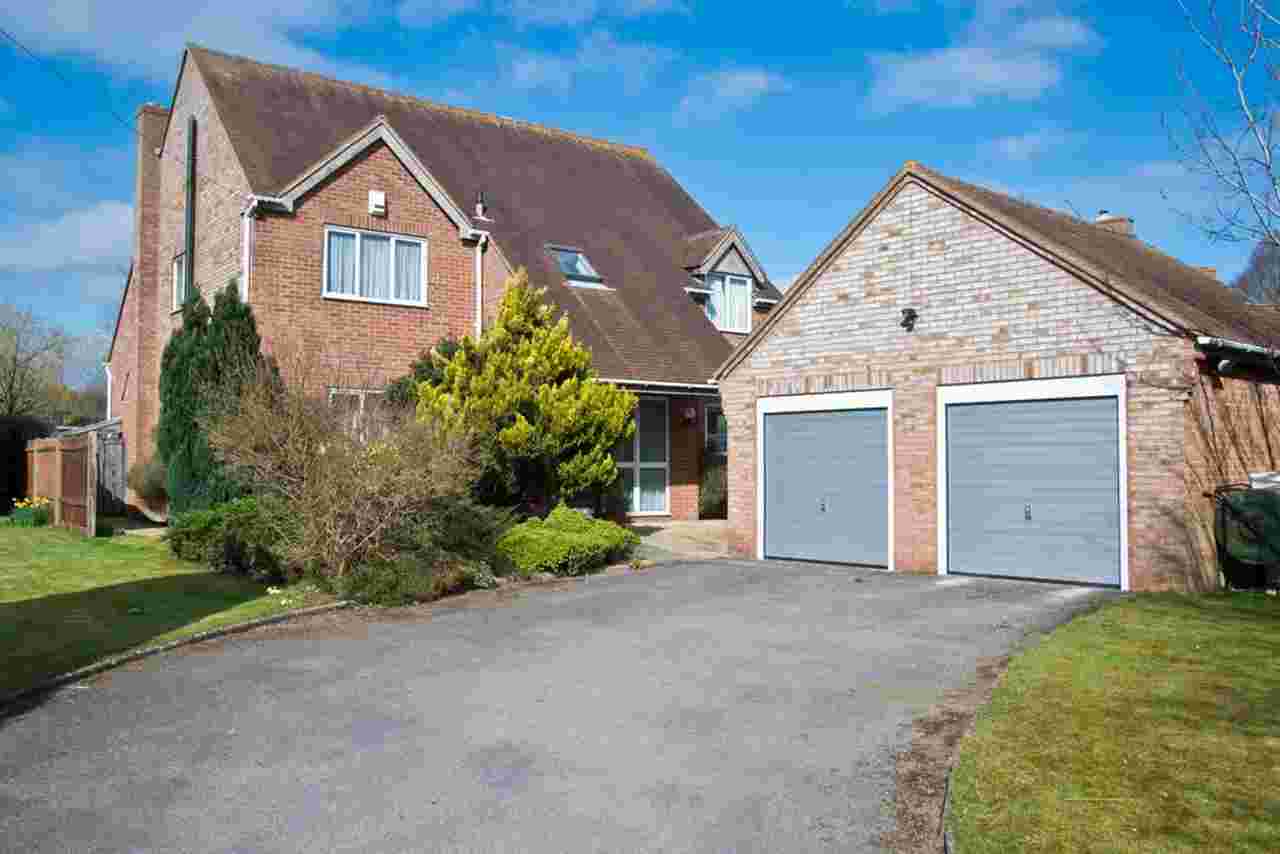
In most cases, yes. If you own your home, you can list your driveway, garage or parking bay straight away. If you rent or lease, you can still do it — you'll just need permission from your landlord, freeholder or management company first. As a rule of thumb, if a car fits on the space and you have the right to rent it out, it's worth listing.
A couple of exceptions are worth knowing up front: you can't list a space that relies on a council-issued residents' parking permit, and if your lease or tenancy restricts this kind of use, you'll need sign-off before you go live. Beyond that, almost any accessible off-street space can earn — and those near stations, stadiums, airports and city centres are in especially high demand. Over 65,000 space owners across the UK already do exactly this, connecting with more than 13 million drivers. Here's what your first 30 days as one of them tends to look like.
The First 10 Minutes: How Do I List My Parking Space on JustPark?
Before anything can happen, your space needs to be live — and that part is quick. Listing is free and takes under ten minutes: you add your space details (postcode, space type, access instructions), set your availability, choose a price, and upload a photo. JustPark can suggest a starting price based on local demand, so you're not guessing in the dark. The moment you hit go live, drivers can book straight away.
Two things are worth getting right at this stage, because they do the heavy lifting from day one:
Your photos. A driver sees these before they read a single word. Shoot in daylight so the space looks bright and inviting, show the entrance and the space itself, clear away bins and clutter first, and capture any gate or access point clearly. Listings with clear photos consistently receive significantly more bookings.
Your description. Answer the questions a driver would otherwise have to ask — exact directions ("enter via the black gate on Maple Street"), the walking time to a nearby station or venue, any height or size limits, and whether the space is covered, gated, or monitored by CCTV.
Get these two right up front and you likely won't need to touch them again.
Days 1–3: How Soon Will Your Space Get Its First Booking?
With your space live, there's genuinely nothing you need to do but wait. In high-demand locations, that wait can be short — James, a host near Guildford station, had interest from a London commuter within days of listing. In quieter areas it may take a little longer, and that's completely normal; demand ebbs and flows with your location and the time of year.
You don't need to advertise, refresh the page, or chase anyone. Drivers find your space, book it, and pay through the platform. When a booking comes in, you get a notification with all the details — and in most cases, that's the full extent of your involvement.
Your First Booking: How Do Bookings and Payments Work on JustPark?
The first booking is the moment it stops being theoretical. Here's how it works: the driver books and pays through JustPark, so there's no cash handover, no invoicing, and no chasing payment. Everything is logged, which means you have a clear record of every booking and every payment from the very start.
If it's a monthly booking from a commuter, the arrangement tends to be refreshingly low-touch. They commit for a set period and simply arrive each day; you barely cross paths. As James puts it: "An accountant working in the City now parks on my driveway five days a week. It's the perfect arrangement — we barely cross paths, and I know the space is being used safely and regularly." That's predictable income with almost no day-to-day involvement.
What If I Need My Parking Space Back?
A common worry before listing is: what if I need my space back? In your first month you'll see just how easily that's handled. You can block individual days or whole stretches whenever you need the space yourself — for visitors, deliveries, or anything else — with no penalty and no need to explain.
And if you need to step away entirely for a while, you can snooze your listing rather than delete it: new bookings pause, and your photos, pricing and reviews all stay exactly where you left them for when you're ready to return.
Weeks 2–3: How Do You Get Your First Parking Space Reviews?
As your first bookings complete, you'll start collecting reviews — and in the early days these matter more than almost anything else. Reviews build the credibility that turns a brand-new listing into a trusted one, and trusted listings can command higher prices over time.
This is exactly why many experienced hosts suggest pricing fractionally below your target rate when you're new. A modest undercut helps win those first few bookings and reviews; once you've built a track record, you can revise your price upward and let quality justify a premium.
You'll also start to see what kind of bookings your location attracts. High-footfall spots — city centres, near stadiums, shopping areas — tend to suit hourly and daily bookings. Spaces near stations or business parks often suit monthly bookings from commuters, which bring steady income with almost no ongoing management. Plenty of hosts combine the two: a weekday commuter Monday to Friday, with the space open for hourly bookings in the evenings and at weekends.
By Day 30: How Do I Review My Parking Space Price?
Around the one-month mark, it's worth taking five minutes to see how things are going. Your booking pattern is the clearest signal you have:
Filling up as soon as availability opens? Your price is probably too low — there's room to nudge it upward.
Sitting consistently empty? The issue is usually price, photos, or listing quality — work out which before you cut your rate.
JustPark will also surface pricing suggestions when local demand signals indicate you could be earning more. These are based on live demand rather than guesswork, so they're worth acting on.
If there are events coming up nearby — concerts, matchdays, festivals, a bank holiday weekend — now is the time to add them using Scheduled Pricing. It lets you set a flat day rate for specific dates from the Event and Seasonal Pricing section of your listing. Hosts near major venues who use it earn on average 57% more per year than those who don't. Timing is everything: fans often book weeks or even months ahead, and you can't cancel a confirmed booking to raise the price — so set your event rates before demand builds, not after it peaks.
The Numbers: How Much Can You Earn Renting Out a Parking Space?
Thirty days in, you'll have a feel for your space's rhythm, even if the money is still building. As a rough guide, JustPark hosts typically earn between £500 and £3,000 a year, with top earners exceeding £4,000 — and where you are makes the biggest difference:
City centres: £100–£250+/month
Near commuter stations: £60–£120/month
Near airports: £50–£90/month
Near stadiums and arenas: £60–£180/month, more on event days
Suburban areas: £60–£75/month
And here's the reassuring part for a first-year host: your first £1,000 of property income each tax year is completely tax-free under HMRC's property income allowance. Stay under that threshold and there's no paperwork to file and nothing to declare. (One small thing to note when the money starts arriving: a 3% transaction fee applies when you withdraw your earnings.)
The Payoff: Why Your Driveway Was Worth It All Along
By the end of your first month, the thing most hosts notice is how little the whole arrangement asks of them. The listing took ten minutes. The bookings and payments handle themselves. The space you were barely using is quietly earning — and you're still fully in control of when.
The driveway was always there. All the first 30 days really do is show you what it was worth all along.
Not listed yet? Get a free quote and create your listing in under ten minutes.