Why Winter Events Fail: The Real Causes Behind Parking Disruptions
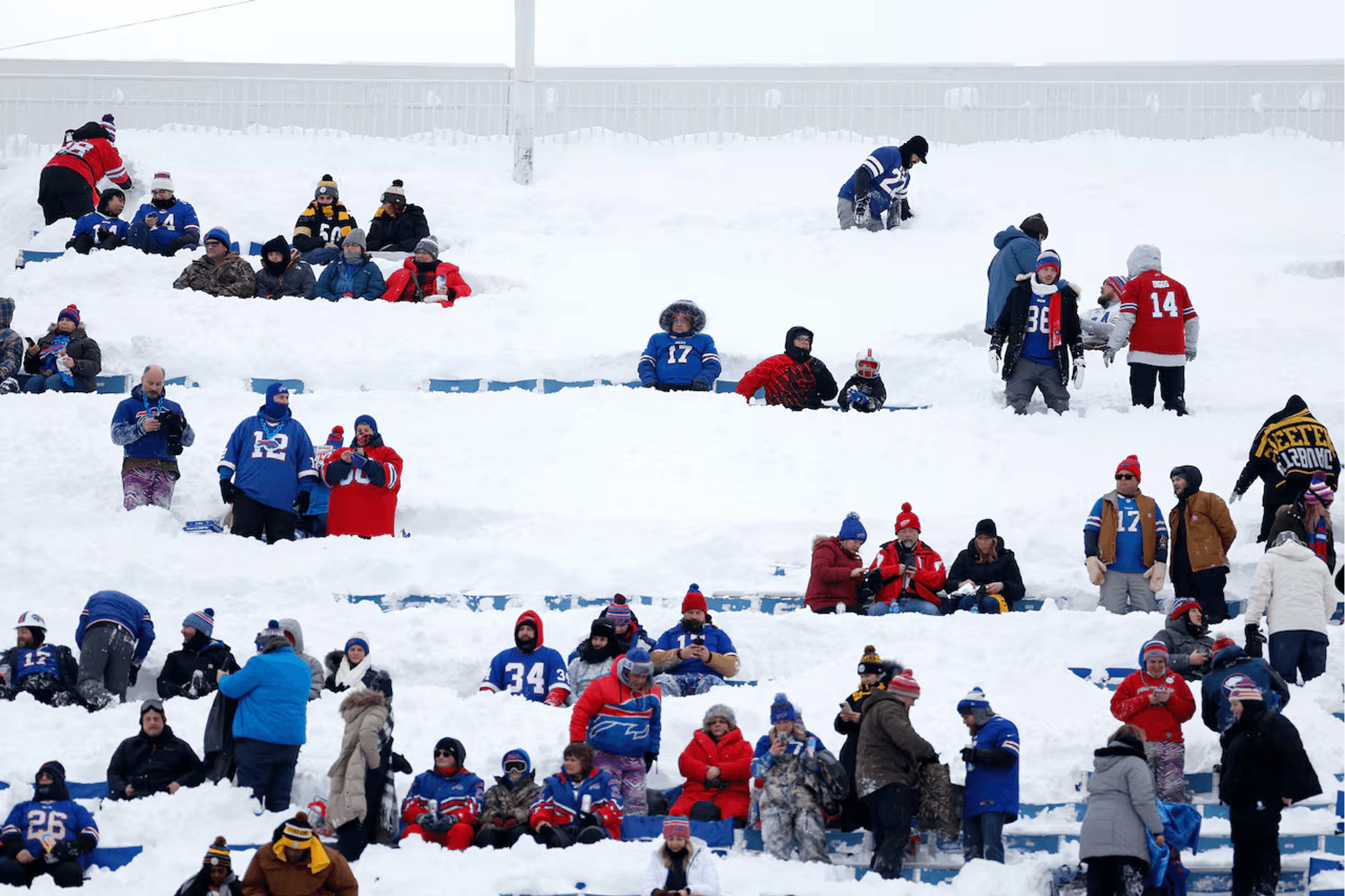
When winter events go wrong, weather usually gets the blame.
But snow and cold rarely cause failures on their own. Winter events break down when multiple small risks stack up — and systems across venues, teams, parking partners, and cities aren’t built to absorb them.
For anyone accountable for event-day outcomes, winter is a test of resilience and coordination.
The myth: “It was just the weather”
At NHL arenas, NBA venues, and NFL stadiums in cold-weather markets, winter disruptions often follow the same pattern.
Weather triggers the issue. The breakdown happens when it combines with staffing gaps, arrival surges, and unclear communication. In winter, fan tolerance drops fast — for walking distance, waiting time, and figuring things out on arrival.
These challenges are common across sports and entertainment venues operating in winter conditions.

The four risks that compound during winter events
1. Weather uncertainty
Snow, ice, and temperature swings complicate planning at stadiums and arenas. Conditions can change between load-in and gates opening, affecting both inventory and pedestrian routes.
2. Staffing constraints
Winter increases callouts and travel delays. Reduced flexibility puts pressure on parking teams, venue ops, and city services at the busiest moments.
3. Arrival surges
Cold weather doesn’t push fans to arrive earlier - it pushes them to arrive closer to the start of the event.
In winter conditions, many attendees delay arrival to minimize time spent outside. That behavior compresses arrival windows and concentrates demand into a much shorter period just before gates open or kickoff.
At NHL arenas, NBA venues, and NFL winter games, this often results in:
Heavier traffic closer to event start times
Sudden spikes at entry points and payment lanes
Less time to recover from small disruptions
The challenge isn’t total volume — it’s timing. When arrival surges hit later and faster, there’s far less room to absorb friction.
4. Communication gaps
When expectations aren’t clear, drivers improvise. That leads to congestion, fan complaints, and avoidable stress across on-site teams and city partners.
Clear pre-arrival guidance — often supported by event-day access planning and passes — helps reduce uncertainty before fans ever get in their cars.
How winter changes driver behavior
Across cold-weather sports markets, winter consistently shifts decision-making:
Proximity matters more than price
Overflow parking becomes less attractive
Confusion escalates faster into frustration
These behaviors affect fan experience, operational flow, and city traffic conditions — regardless of who manages the parking asset.
What prepared teams do differently
Strong winter operations prioritize reliability over optimization.
Across venues and cities, teams that perform well:
Plan for partial failure, not perfect conditions
Coordinate early across venue ops, parking partners, and city services
Communicate expectations clearly before gates open
Design arrival and pedestrian routes with safety in mind
This doesn’t eliminate disruption — it limits how far it spreads.
The takeaway
Winter events don’t fail because of the weather. They fail when systems can’t absorb pressure.
A coordinated post-event review across venue leadership, teams, parking operators, and city partners often reveals small fixes that prevent much larger failures later in the season.