What Playoff Games Reveal About Parking Operations Under Pressure
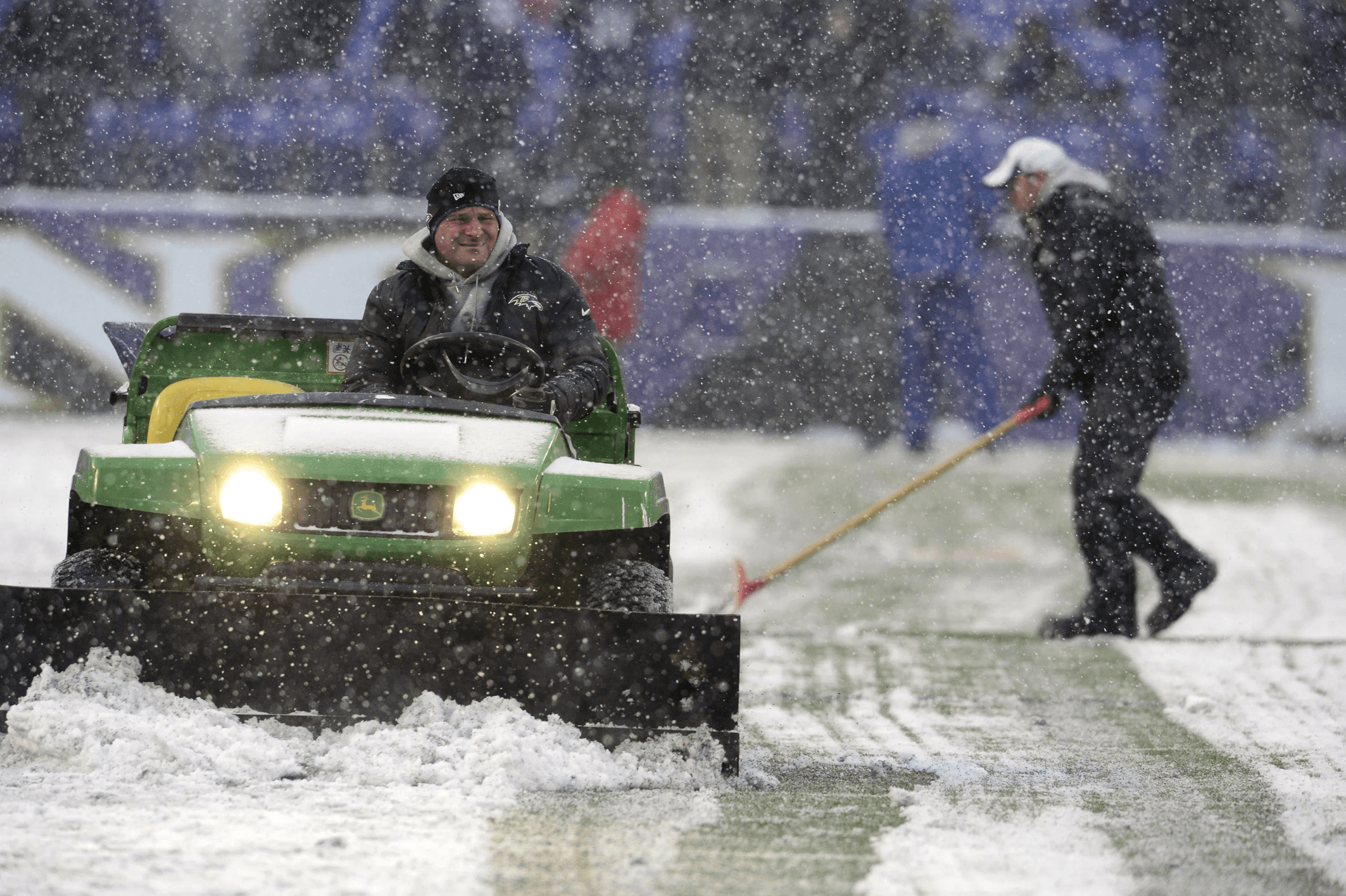
Playoff games don’t create parking problems, they expose the ones that already existed.
For venue operating companies, professional teams, parking partners, and city agencies alike, playoff events concentrate pressure into a single outcome.
Demand peaks
Expectations sharpen
Tolerance for friction disappears
When something breaks, every stakeholder feels it — on-site, online, and in post-event reviews.
That’s what makes playoff parking operations one of the clearest stress tests in sports and entertainment.
Why playoff games behave differently
Playoff crowds don’t behave like regular-season crowds — regardless of venue or league.
At NBA and NHL arenas, especially during winter playoff conditions, operators consistently see:
More compressed arrival windows, with fans arriving closer to tip-off or puck drop
Longer dwell times once inside, driven by higher emotional investment
A higher share of out-of-market or infrequent visitors
Lower tolerance for confusion, delays, or unclear direction
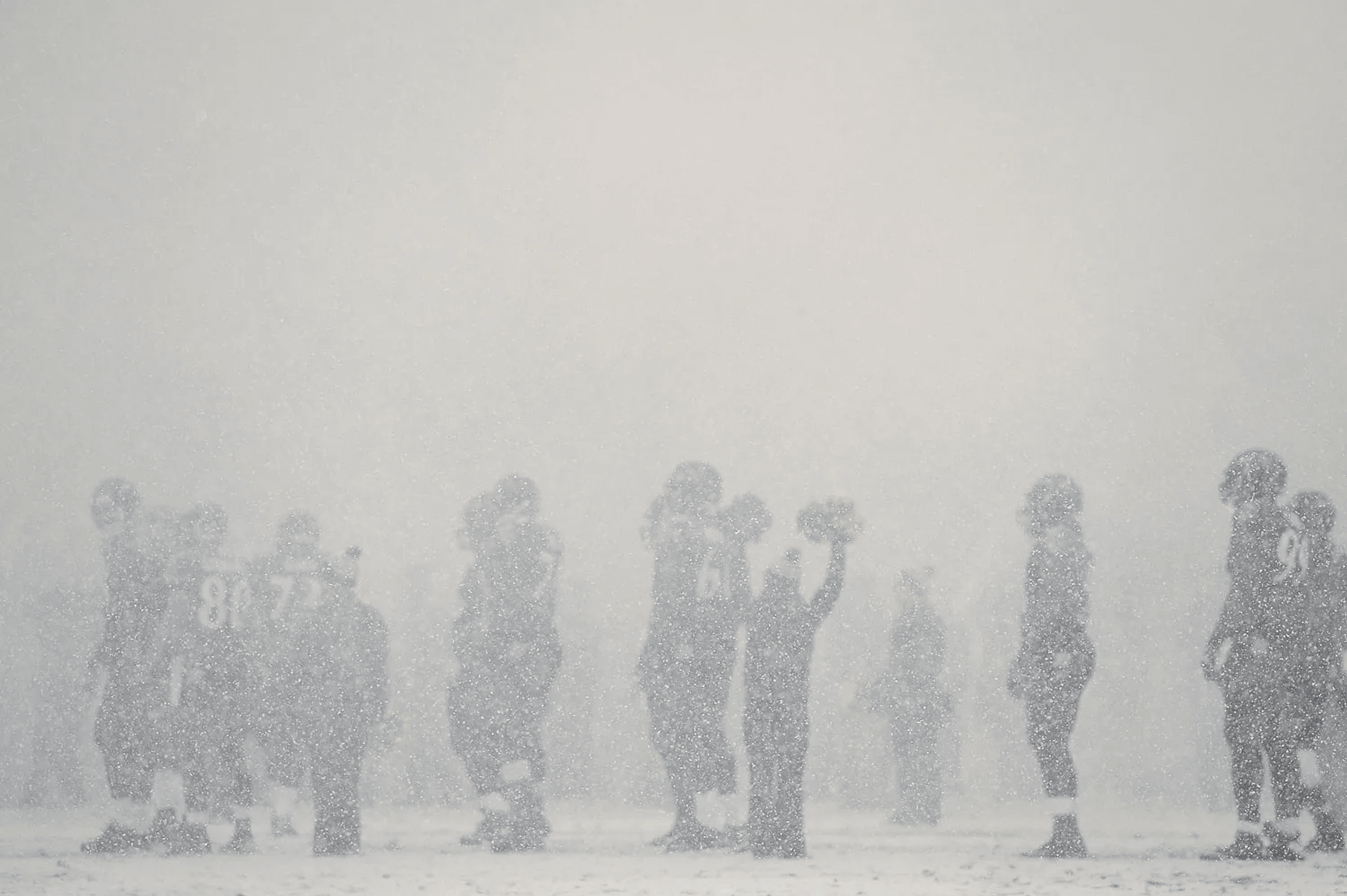
Cold weather plays a role here. Many fans delay arrival to minimize time spent outside, which concentrates traffic, parking demand, and pedestrian flow into a much shorter window just before the event begins.
At NFL stadiums, playoff stakes can still extend tailgating windows and increase demand for close-in parking, but the common thread is the same: timing becomes less forgiving, and small disruptions escalate faster.
These dynamics are common across large sports and entertainment venues, particularly those operating in dense downtown districts or multi-venue environments.
The fragile areas playoff pressure exposes
When playoff events break down, it’s rarely due to a single team or vendor. More often, it’s where planning, communication, and execution didn’t fully align across stakeholders.
1. Staffing assumptions under pressure
Staffing models that work for regular-season sellouts often assume arrivals are spread over time. Playoffs break that assumption.
When arrival windows compress — especially in cold-weather conditions — minor staffing gaps quickly turn into visible bottlenecks at entry points, payment lanes, and pedestrian crossings. That pressure doesn’t land in one place. It affects parking operators on the ground, venue leadership overseeing the experience, and city partners managing traffic and safety outside the footprint.
2. Wayfinding for unfamiliar drivers
Playoff games attract more infrequent and out-of-market attendees.
At downtown arenas and shared stadium districts, unclear wayfinding forces drivers to make decisions late — exactly when arrival volumes are peaking. Even when capacity exists, hesitation and last-minute turns create congestion. The issue isn’t space. It’s clarity at the moment it matters most.
3. Pre-arrival communication breakdowns
High-stakes events magnify communication gaps.
When fans attending playoff games don’t know when to arrive, where to park, or what access rules apply, they delay decisions until the last possible moment. In winter conditions, that behavior intensifies. Many venue teams and parking partners reduce this risk by using pre-event access planning and passes to set expectations before fans leave home.
Why this matters beyond playoffs
The same pressure patterns show up during:
Sold-out stadium concerts
Championship games
Festivals and citywide entertainment weekends
Playoffs are often the earliest warning sign. Teams that address coordination gaps in January are far better prepared for peak summer demand, overlapping events, and global audiences later in the year.
The takeaway
Playoff events don’t fail because one group made a mistake. They fail when systems weren’t designed for pressure — especially when timing tightens and tolerance disappears.
For venue operators, teams, parking partners, and city agencies, January is a rare opportunity to see where coordination breaks down while the stakes are still manageable.
A joint post-event review across stakeholders often surfaces the exact issues that will resurface during the next high-stakes event — when there’s even less room to recover.